

POST OUTLINE
1. Hidden chemicals in everyday foods
2. Unseen risks of foodborne illnesses
3. Surprising allergens in common foods
4. Conclusion and tips for safer food choices.
When it comes to our health, we often focus on the obvious culprits such as sugary snacks and processed foods. However, there are hidden hazards lurking in our everyday foods that we never knew could be dangerous. From seemingly harmless fruits and vegetables to staple pantry items, this blog post aims to shed light on these surprising hazards and help you make informed choices about what you consume. Discover which foods may contain harmful chemicals, pose a risk of foodborne illnesses, or have hidden allergens. Stay ahead of potential health risks and ensure the safety of you and your loved ones by learning about these unexpected dangers in your kitchen.
1. Hidden chemicals in everyday foods
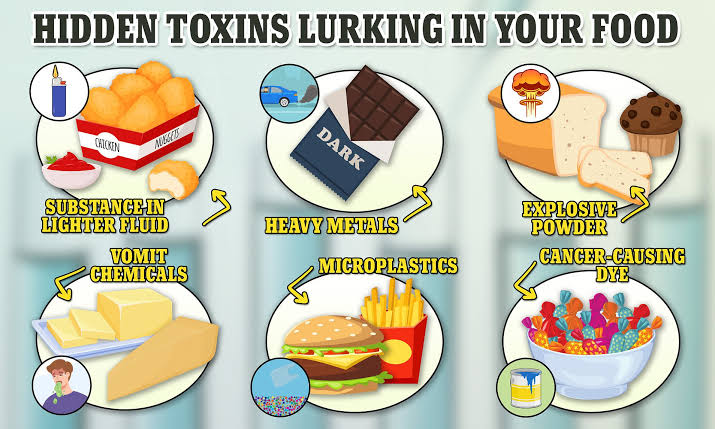
Many of us strive to maintain a healthy diet by consuming a variety of foods that we consider safe and harmless. However, what if I told you that there are hidden hazards lurking in some of the everyday foods we consume? It’s not just about the nutritional value or calorie count; it’s about the potentially harmful chemicals that may be present in our meals without our knowledge. One such hidden danger lies in the pesticides and herbicides used in conventional farming practices. These chemicals, designed to ward off insects and weeds, can find their way into our food supply. Even after washing and cooking our produce, traces of these chemicals may still remain, posing a risk to our health over time. Another hidden hazard is artificial additives and preservatives commonly found in processed foods. These additives are used to enhance flavor, color, and texture, but they can have adverse effects on our bodies. For example, certain food dyes have been linked to hyperactivity in children, and preservatives like sodium nitrite have been associated with an increased risk of certain cancers. Furthermore, hidden trans fats, often found in partially hydrogenated oils, can be detrimental to our cardiovascular health. These fats can raise our bad cholesterol levels and increase the risk of heart disease. It is essential to read food labels carefully and be aware of the ingredients used in the products we consume. Opting for organic produce and minimally processed foods can significantly reduce our exposure to these hidden chemicals. Additionally, incorporating more whole foods into our diet ensures that we consume nutrients in their natural form, without the added risks of chemical additives. By educating ourselves about these hidden hazards, we can make informed choices and prioritize our health and well-being. It’s time to be proactive and vigilant, ensuring that the foods we consume are not only delicious but also safe and free from potentially harmful chemicals.
Post Outline
2. Unseen risks of foodborne illnesses
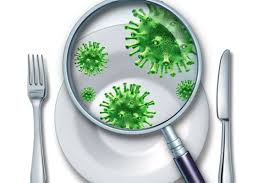
While we often think of food as nourishment and enjoyment, it’s important to be aware of the hidden hazards that can lurk within everyday foods. Foodborne illnesses can be caused by a variety of factors, including bacteria, viruses, parasites, and toxins. These unseen risks can have serious consequences for our health. One common culprit is undercooked or raw meat, poultry, and seafood. Consuming these foods can expose us to harmful bacteria like Salmonella and E. coli, leading to severe gastrointestinal symptoms. Another surprising source of foodborne illnesses is fresh produce. Fruits and vegetables can become contaminated during farming, harvesting, or transportation. Consuming contaminated produce could lead to illnesses such as listeriosis or E. coli infection. Even seemingly harmless foods like deli meats and unpasteurized dairy products can harbor Listeria monocytogenes, a bacterium that poses a particular risk to pregnant women, newborns, and individuals with weakened immune systems. It’s crucial to handle and store these foods properly to reduce the risk of contamination. By being aware of these unseen risks, we can take steps to protect ourselves and our loved ones from the potential dangers that can be hiding in our everyday foods.
3. Surprising allergens in common foods
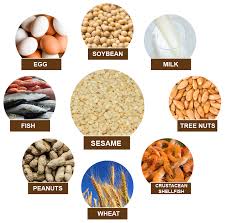
Food allergies are a common concern for many people, but did you know that there are some hidden allergens lurking in everyday foods that you never knew could be dangerous? While some allergies, like peanuts or shellfish, are well-known and widely recognized, there are other less obvious allergens that can cause severe reactions in certain individuals. One such example is the presence of soy in unexpected foods. Soy is commonly used as an additive or filler in a wide range of processed foods, such as bread, salad dressings, and even chocolate. For individuals with a soy allergy, consuming these unsuspecting foods can lead to allergic reactions, ranging from mild symptoms like hives or itching to more serious reactions like difficulty breathing or anaphylaxis. Another surprising allergen is wheat, which can be found in various products beyond bread and pasta, including sauces, soups, and even ice cream. People with wheat allergies or gluten sensitivities must be vigilant in checking ingredient labels and avoiding these hidden sources of wheat. Additionally, milk allergies can also pose a challenge, as dairy products are not only found in obvious foods like cheese and yogurt, but can also be present in processed meats, baked goods, and even some medications. It is crucial for individuals with milk allergies to carefully scrutinize ingredient lists and be aware of these unexpected sources. In conclusion, it’s essential to be informed about the potential hidden allergens in common foods, as this knowledge can help keep individuals with allergies safe and prevent potentially life-threatening reations.
4. Conclusion and tips for safer food choices.
In conclusion, it’s important to be aware of the hidden hazards that exist in everyday foods. While we may think that everything we consume is safe, there are certain foods that can pose risks to our health if not handled or prepared properly. By being mindful and educated about these potential dangers, we can make safer food choices and protect ourselves and our loved ones. Here are some tips to keep in mind: 1. Read labels and ingredients: Take the time to read the labels on packaged foods and familiarize yourself with the ingredients. Look out for any potential allergens or harmful additives that could be present. 2. Practice proper food handling and storage: Ensure that you handle and store foods appropriately to prevent the growth of harmful bacteria. Keep perishable items refrigerated at the correct temperatures and avoid cross-contamination. 3. Cook meat and seafood thoroughly: Make sure to cook meat and seafood thoroughly to destroy any harmful bacteria that may be present. Use a food thermometer to ensure that they reach the recommended internal temperatures. 4. Be cautious with leftovers: Leftovers can be a breeding ground for bacteria if not stored and reheated properly. Store leftovers promptly in airtight containers and reheat them to a safe temperature. 5. Stay informed and updated: Stay up-to-date with food recalls and safety alerts. Follow reliable sources of information to stay informed about any potential risks associated with certain foods. By following these tips, you can make more informed choices and minimize the risks associated with everyday foods. Remember, being proactive and cautious about your food choices is crucial for maintaining a healthy and safe lifestyle.
 INFORMATION HUB
Leave a comment